pressure-washing
How to Choose a Pressure Washing Company in New Jersey
Insurance, soft washing know-how, and clear written quotes separate real New Jersey pressure washing pros from the truck-and-machine crowd. Here is the full checklist.
In This Article
How to Choose a Pressure Washing Company in New Jersey
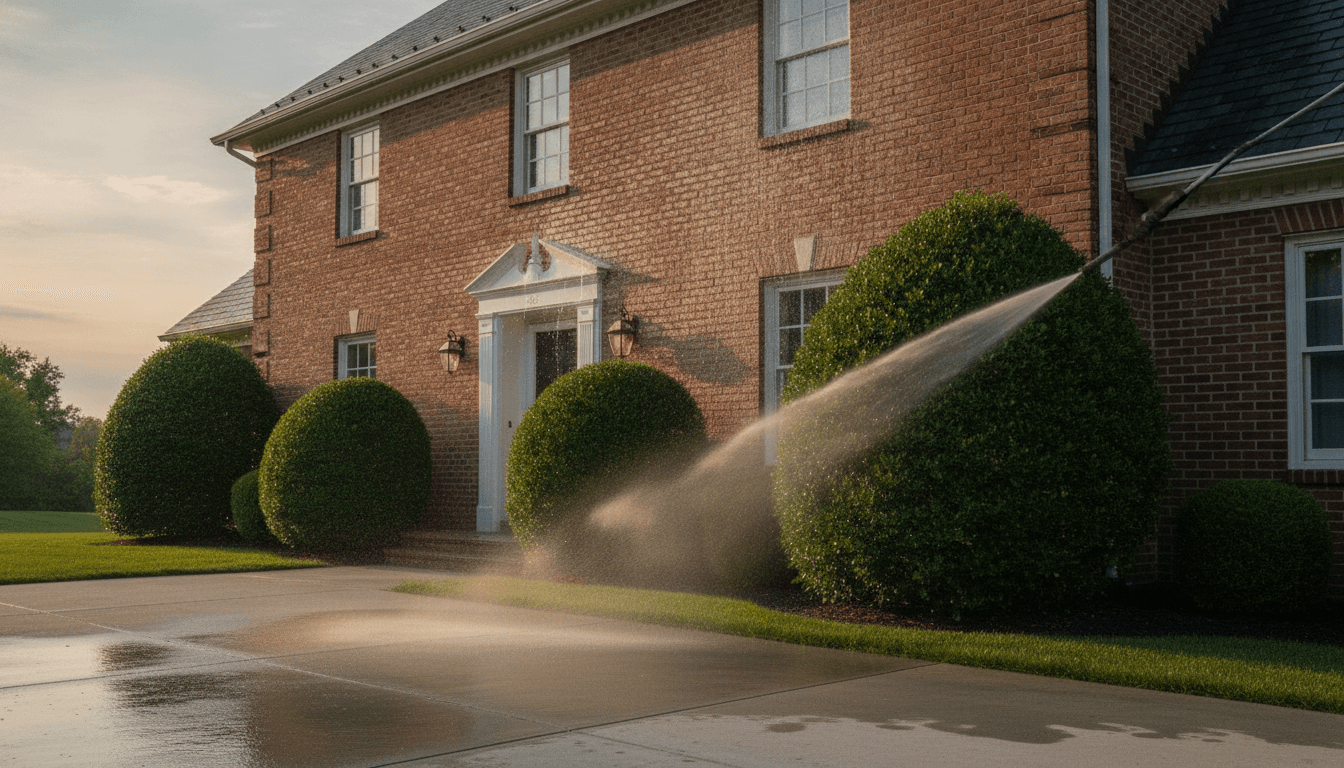
New Jersey homes take a beating from the weather. Humid summers feed green algae on vinyl siding, shore towns deal with salt spray that dulls every surface it touches, and North Jersey winters leave driveways streaked with salt residue and grime. A good pressure washing company erases a year of that buildup in an afternoon.
The catch is that pressure washing has a low barrier to entry, so the market ranges from insured professionals with commercial equipment to a guy with a big-box machine and a magnetic sign. Hiring the wrong one can mean etched siding, stripped deck boards, or water forced behind your walls. Here is how to sort the pros from the pretenders before anyone points a wand at your house.
Start With Insurance, Not Price
General liability insurance is the first thing to verify, and a legitimate company will email you a certificate without hesitation. Water driven at high pressure can crack window seals, flood light fixtures, and force moisture behind siding, and if an uninsured operator does that damage, the repair bill is yours.
Workers compensation coverage matters just as much in New Jersey, where it is required for businesses with employees. If a worker gets hurt on your property and the company carries no coverage, homeowners can get pulled into the claim. One phone call to the insurance agent listed on the certificate confirms the policy is current.
New Jersey also requires home improvement contractors to register with the Division of Consumer Affairs, and many established washing companies carry that registration because they also seal decks or clean roofs. Registration is a good signal even when it is not required for the specific job. A company that bothered to register is a company planning to be around next year.
Ask How They Will Clean, Not Just What It Costs
The method matters more than the machine. Vinyl siding, the most common exterior in New Jersey, should be soft washed with low pressure and a detergent mix that kills algae at the root. High pressure on vinyl can crack panels, blast granules off nearby shingles, and drive water into the wall cavity.
Concrete and paver driveways are the opposite case, since they need real pressure plus a surface cleaner attachment to avoid zebra striping. Wood decks sit in between and call for low pressure and the right cleaner, because too much force tears up the grain and shortens the life of the boards.
When you call, ask one simple question: what pressure and what cleaning solution will you use on my siding? A pro will talk about soft washing, sodium hypochlorite dilution, or surfactants without missing a beat. A pretender will say something like "we crank it up until it comes clean," and that answer should end the conversation.
Roof cleaning deserves special caution. Asphalt shingles should only ever be soft washed, never pressure washed, because pressure strips the granules that protect the shingle. If a company offers to pressure wash your roof, cross them off for every other job too.
Get Three Quotes and Read Them Closely
Prices vary across the state, and a written quote tells you a lot about the company behind it. A typical single-family vinyl siding wash in New Jersey runs $250 to $500, driveways run $100 to $250, and a house-plus-driveway-plus-walkway package often lands between $400 and $700. Shore-area homes with heavy salt film and larger colonials in Bergen or Morris County price toward the top.
A proper quote lists the surfaces included, the method for each, the products used, and what protection the crew provides for plants and outlets. Vague one-line quotes lead to day-of upsells, where the $200 house wash becomes $450 once the crew is standing in your driveway.
Be careful with quotes that come in far below the pack. Commercial-grade equipment, insurance, and trained labor cost money, and an operator charging half the going rate is cutting one of those three corners. The cheapest bid on a $300 job saves you $100 and risks thousands in siding repairs.
Timing your quotes helps too. Spring books up fast across New Jersey as everyone preps for graduation parties and summer at once. Fall is quieter, prices soften, and washing off a summer of algae before winter is arguably better for your siding anyway.
Check the Track Record Where It Cannot Be Faked
Reviews on Google carry more weight than testimonials on a company website, and the useful ones mention specifics: showed up on time, protected the flower beds, fixed a missed spot without arguing. Look for a pattern across dozens of reviews rather than a perfect five-star average across six.
Photos tell you even more. Established companies post before-and-after shots of local jobs, and you can often recognize the housing style: a cape in Toms River, a split-level in Cherry Hill, a brick colonial in Westfield. Local photos prove local work.
Longevity is the quiet signal people skip. Ask how long the company has operated under its current name, because washing outfits that damage homes tend to dissolve and reopen under new names. Five years under one name in one area means satisfied repeat customers.
You can browse pressure washing companies serving New Jersey to build a shortlist, then put each one through the insurance and method questions above. Two phone calls will usually separate the contenders clearly.
Red Flags That Should End the Conversation
Door-to-door solicitation after a storm is the classic one, especially at the shore after a rough nor'easter. Reputable companies book through referrals and scheduling software, and they rarely need to knock on doors for work.
Demands for large cash deposits are another. Most New Jersey washing companies collect payment on completion for residential jobs, and anything beyond a small scheduling deposit on a big multi-service job is out of step with the market. No written quote, no physical address, and a phone number that goes to a personal voicemail round out the pattern.
Watch for pressure tactics in the sales conversation itself, like today-only pricing or claims that your siding will be ruined without immediate treatment. Algae on siding is cosmetic for a long time before it becomes a problem. Anyone manufacturing urgency is selling something other than cleaning.
What a Good Job Looks Like When It Is Done
Walk the property with the crew before they leave. Siding should look uniformly clean with no striping, windows should be free of detergent haze, and there should be no fresh chips in paint or dents in aluminum. Plants near the foundation should have been rinsed, since cleaning solutions can brown shrubs when crews skip that step.
Results should last. A proper soft wash with algaecide keeps vinyl siding clean for one to two years in New Jersey's humid climate, while a pressure-only rinse can see green shadows return within months. If a company offers a written spot-free period, that confidence usually reflects the right method.
Keep your receipt and take your own after photos in good light. If a problem appears within a few days, a reputable company returns to address it, and your photos make that conversation quick. Homeowners who want to compare this project against other exterior work can find seasonal home maintenance cost guides covering what New Jersey homeowners pay across dozens of services.
Frequently Asked Questions
How much does pressure washing cost in New Jersey?
A vinyl siding house wash typically runs $250 to $500, driveways $100 to $250, and full packages $400 to $700. Larger homes in North Jersey and salt-exposed shore properties price toward the top of those ranges.
Do pressure washing companies in New Jersey need a license?
There is no washing-specific state license, but home improvement contractors register with the Division of Consumer Affairs, and companies with employees need workers compensation coverage. Always verify general liability insurance regardless.
What is the difference between soft washing and pressure washing?
Soft washing uses low pressure with a detergent mix to kill algae and mold, and it is the right method for siding and roofs. Pressure washing uses force and suits concrete, pavers, and stone. A company should use both, matched to each surface.
When is the best time of year to pressure wash a house in New Jersey?
Fall offers easier scheduling and removes a summer of algae growth before winter sets in. Spring is the busy season, so book two to three weeks ahead if you want a wash before a May or June event.
How often should a New Jersey home be pressure washed?
Once a year suits most vinyl-sided homes given the humidity, and shore homes benefit from an annual salt rinse at minimum. North-facing walls that get little sun may need attention more often since algae grows fastest there.