tree-service
How to Choose a Tree Service in New Jersey: The License Rule Most Homeowners Don't Know
How to choose a tree service in New Jersey: verify the state license, check insurance, read quotes line by line, dodge storm chasers, and know fair prices.
In This Article
- What the New Jersey License Covers
- Insurance Is the Other Half of the Screen
- What a Written Quote Should Spell Out
- What Tree Work Costs in New Jersey
- Storm Season Brings Out the Worst Operators
- Five Questions That Sort the Field Fast
- Timing Tree Work Through the New Jersey Year
- Common Questions About Hiring Tree Services in New Jersey
How to Choose a Tree Service in New Jersey: The License Rule Most Homeowners Don't Know
New Jersey is one of the only states in the country that licenses tree care as a profession. Since the Tree Expert and Tree Care Operators Licensing Act took effect, any business performing tree work here has been required to register with the New Jersey Board of Tree Experts and employ a licensed professional.
That single fact changes how you should shop. In most states, comparing tree services means sorting through reviews and hoping. In New Jersey, you can check a state registry before anyone climbs your oak, and the companies that skip registration have chosen to work outside the law.
The stakes justify the homework. Tree removal is consistently ranked among the most dangerous jobs in the trades, and a felled limb can total a car, crush a fence, or drop into a neighbor's sunroom. The company you pick decides whose insurance answers for that.
What the New Jersey License Covers
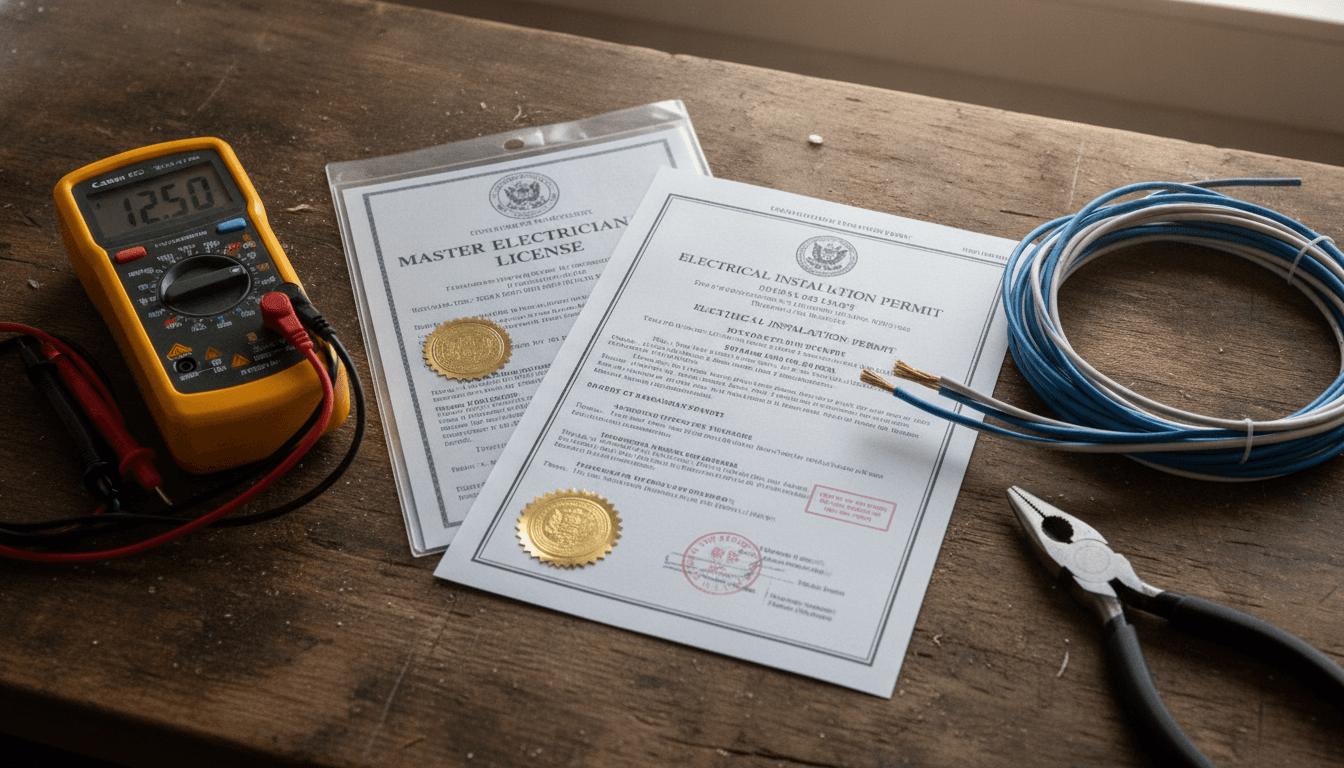
The law created two credentials. A Licensed Tree Expert, or LTE, has passed a state exam covering tree biology, diagnosis, and safety, while a Licensed Tree Care Operator, or LTCO, is certified for the operational side of removals, pruning, and rigging.
A tree care business operating in New Jersey must register with the Board of Tree Experts and have at least one licensed individual overseeing the work. Registered firms carry a registration number, and the board maintains a public list you can search by company name or town.
Verification takes five minutes and filters out most bad actors in one pass. Ask for the registration number in your first phone call, then confirm it on the board's list before you schedule an estimate.
There is one common point of confusion worth clearing up. An ISA certified arborist credential is a respected industry certification, but it is national and voluntary, and it does not replace the New Jersey registration. The best companies in the state typically hold both.
Insurance Is the Other Half of the Screen
Ask every candidate for a certificate of insurance sent directly from its insurance agent, not a photocopy from a truck. You want to see general liability, typically $1 million or more, and workers compensation covering the actual climbers and ground crew.
Workers comp is where homeowners get burned. If an uninsured worker is hurt dropping a maple in your backyard, the claim can land on your homeowners policy, and tree work injuries are not small ones. A company that dodges the insurance question is quoting you a discount you cannot afford.
Property damage coverage matters just as much in New Jersey's tight suburban lots. Houses in towns like Montclair, Westfield, and Ridgewood often sit 15 feet apart with service lines, fences, and patios crowding every drop zone, and a rigging mistake has almost nowhere harmless to land.
What a Written Quote Should Spell Out
A real tree service quote is itemized, and the items are where companies differ. Removal of the tree is one line, but stump grinding, hauling away the wood, chipping the brush, and raking the yard are all separate decisions that either appear on the quote or appear as surprises later.
Stump grinding is the one most often missed. It typically runs $100 to $400 per stump in New Jersey depending on diameter, and many companies quote the removal without it unless you ask.
The quote should also state who handles utility coordination. Any tree tangled in service lines needs the utility involved before work starts, and an experienced company arranges that rather than improvising around live wires.
Get the timeline in writing too. Reputable firms in northern and central New Jersey often book two to four weeks out in spring and fall, and a company that can start tomorrow at half the price of everyone else usually comes with a reason.
What Tree Work Costs in New Jersey
Removing a small ornamental tree under 25 feet generally runs $300 to $700 here. A mid-sized maple or pine in the 40 to 60 foot range lands between $800 and $2,000, and a large oak over a house or garage can reach $2,500 to $4,500 or more once rigging and crane time enter the picture.
Access drives the spread more than species does. A tree a bucket truck can reach from the driveway costs far less than the same tree behind a pool in a fenced backyard, where everything comes down piece by piece on ropes.
Pruning is cheaper but not cheap. Expect $400 to $1,200 for a full prune of a mature tree, with the higher end common in Bergen and Essex counties where rates run above the state average. South Jersey pricing, from Cherry Hill down through Gloucester County, often comes in 10 to 20 percent under the northern counties for the same scope.
Treat any bid dramatically below these bands as a question, not a win. The savings usually come out of insurance, licensing, or cleanup, and you can compare registered local companies through our tree service directory instead of gambling on the cheapest voicemail that calls back.
Storm Season Brings Out the Worst Operators
Nor'easters, summer thunderstorm lines, and the remnants of tropical systems all drop trees across New Jersey every year, and every event pulls door-knocking crews into damaged neighborhoods within hours. Some are legitimate. Many are unregistered, uninsured, and gone by the weekend.
The pressure tactic is always the same: the price is only good right now, and the tree is more dangerous than it looks. A licensed local company will tell you honestly whether a leaning tree is an emergency, and your homeowners insurer will usually want documentation before major storm work anyway.
If a tree is on your roof, call your insurance carrier first, then a registered company. Emergency removals cost more, often $1,500 to $5,000 depending on size and position, and insurers routinely cover them when a covered structure is involved.
For everything short of an emergency, wait the extra week a good company needs. Storm chasers depend on you not making that choice.
Five Questions That Sort the Field Fast
Ask who will be on site supervising, and whether that person holds the LTE or LTCO credential. Ask whether the company owns its equipment, since subcontracted crane work should be disclosed upfront.
Ask how they protect your lawn and hardscape, because mats under equipment are standard practice for good crews. Ask what happens to the wood, and get the cleanup standard in plain words: flush-cut, ground out, raked, and hauled all mean different things on an invoice.
Then ask for two local references from the past year. Established companies in towns like Princeton, Morristown, or Toms River hand these over without hesitation, and a long pause here is an answer in itself. Our home services blog has more cost guides if you want to benchmark the bids you collect.
Timing Tree Work Through the New Jersey Year
Winter is the quiet season for New Jersey tree companies, and quotes show it. Dormant-season removals and pruning from December through February often price 10 to 20 percent below the same job in May, and frozen ground protects lawns from equipment damage.
Spring and early summer bring the rush, driven by leaf-out revealing dead limbs and homeowners planning their outdoor season. Book two to four weeks ahead from April through June, and expect the busiest companies in Bergen, Monmouth, and Morris counties to run longer than that.
Late summer suits removals ahead of storm season, since a compromised tree taken down in August cannot land on a garage during a September nor'easter. Fall works well for structural pruning on younger trees and for final looks at anything that seemed questionable in July.
One seasonal restriction is worth knowing. Pruning oaks between spring and midsummer is best avoided because fresh cuts attract the beetles that spread oak wilt, and a licensed company will steer oak work to the dormant months on its own.
Common Questions About Hiring Tree Services in New Jersey
Does New Jersey require tree companies to be licensed?
Yes. Businesses performing tree care in New Jersey must register with the state Board of Tree Experts and employ a Licensed Tree Expert or Licensed Tree Care Operator, and the board publishes a searchable list of registered firms.
How much does it cost to remove a tree in New Jersey?
Most removals fall between $800 and $2,000 for a mid-sized tree, while large oaks over structures can run $2,500 to $4,500 or more. Small ornamentals start around $300, and stump grinding adds $100 to $400.
Do I need a permit to remove a tree on my property?
Many New Jersey towns regulate tree removal through local shade tree commissions or ordinances, and some require permits even on private lots. A registered local company will know your town's rules, but it is worth a call to your municipal office before cutting.
When is the cheapest time to schedule tree work?
Late fall through winter is the slow season, and dormant-season pruning is better for many species anyway. Quotes in January can come in 10 to 20 percent below the same job priced in May.
Who pays when a tree falls on a neighbor's property?
Generally the owner of the damaged property files with their own insurer, unless the tree was known to be dead or hazardous. That is one more reason to get a written assessment when a company flags a declining tree.