pest-control
How to Choose a Pest Control Company in New Jersey
How to vet a New Jersey pest control company: DEP license checks, quarterly contract pricing of $40 to $75 a month, red flags, and the questions to ask first.
In This Article
- Start With the DEP License and Proof of Insurance
- Match the Company to the Problem You Have
- Quarterly Plans, One-Time Jobs, and What They Cost
- Inspection-First Companies Beat Phone Quotes
- What a Good Guarantee Covers
- Red Flags That Should End the Conversation
- Questions to Ask Before You Sign Anything
- Pest Pressure Looks Different Across the State
- Frequently Asked Questions
How to Choose a Pest Control Company in New Jersey
Carpenter ants in a Cherry Hill deck post, mice inside a Newark rowhome wall, a yellow jacket nest over a Toms River back door: whatever sent you searching, you will have no trouble finding companies eager to take the job. New Jersey has hundreds of pest control operators, and the gap between the best and the worst of them is wide.
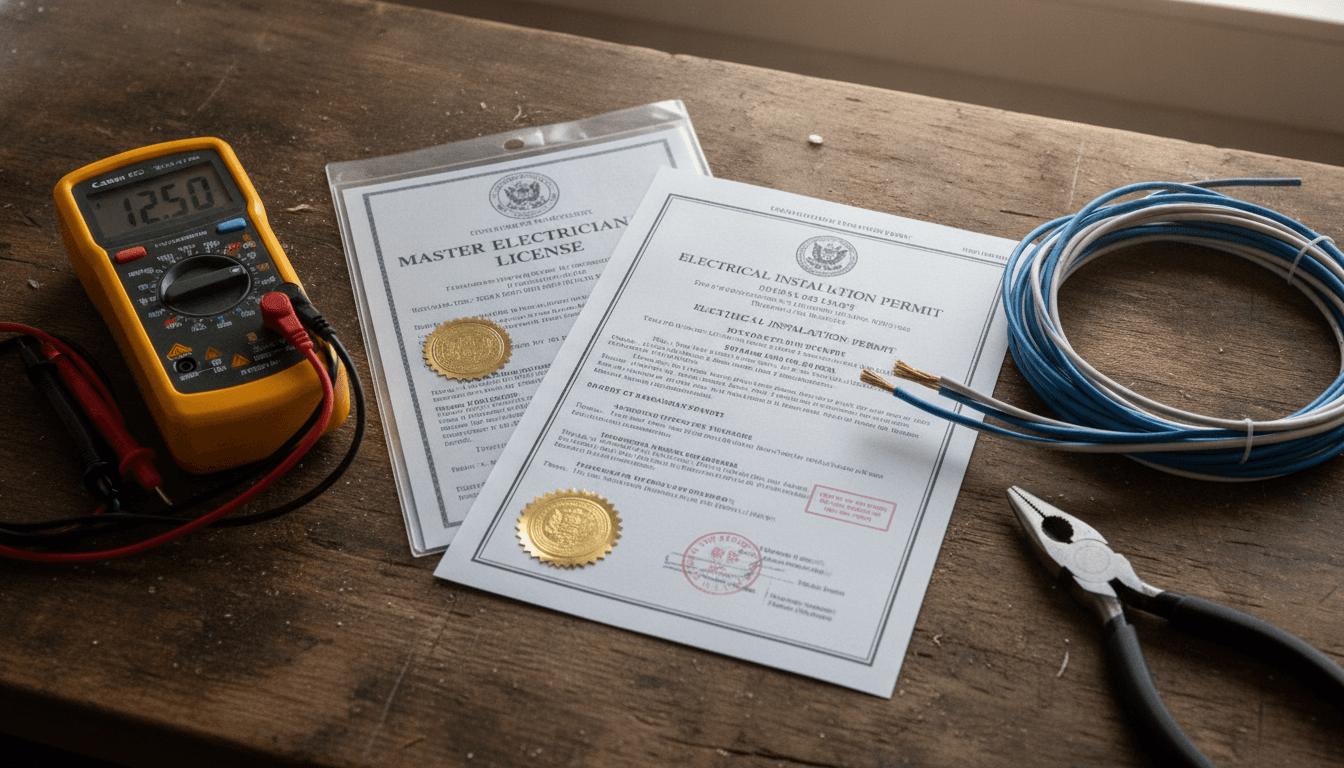
Here is the leverage most homeowners never use. Commercial pesticide applicators in New Jersey are licensed through the state Department of Environmental Protection, and you can ask any technician for an applicator license number before anyone treats your home. A company that stumbles over that request has already answered your most important question.
The full vetting process takes about an hour of phone calls and reading. Weigh that hour against a twelve-month contract with a cancellation fee, signed with a company that sprays your baseboards and disappears, and it starts to look like the best hour you will spend on the problem.
Start With the DEP License and Proof of Insurance
The DEP's Pesticide Control Program regulates who can apply pesticides commercially in New Jersey. Technicians either hold a commercial applicator license or work as registered operators under a licensed applicator's supervision, and the license number should appear on the paperwork you sign. Ask for it, write it down, and verify it with the state before the first treatment happens.
Insurance is the second document worth requesting. A legitimate operator carries general liability coverage, and established New Jersey companies commonly carry $500,000 or more. If a treatment kills your foundation plantings or a technician falls off your porch roof, that policy is what protects you.
Certification categories matter as much as the license itself. An applicator certified for general household pests is not automatically certified for termite work, which falls under a separate wood-destroying insect category with its own exam. If the company cannot tell you which categories its technicians hold, keep calling.
Match the Company to the Problem You Have
General pest work covers ants, roaches, mice, spiders, and stinging insects, and most licensed companies in the state handle it competently. Termites are a separate trade. Treating them involves trenching soil, drilling slabs, and applying termiticides under the wood-destroying insect certification, and the results feed directly into the inspection report most New Jersey home sales require.
Wildlife is different again. Squirrels in a soffit or raccoons in an attic call for trapping permits through the state Division of Fish and Wildlife, exclusion carpentry, and knowledge of relocation rules. Plenty of general pest companies quietly subcontract that work, so ask who will show up at your house and get that company's credentials too.
Before you start dialing, it helps to see who works your area. You can browse pest control companies across New Jersey by town and compare what each one handles before your first call.
Quarterly Plans, One-Time Jobs, and What They Cost
Most companies will steer you toward a quarterly service contract, and in New Jersey those plans typically run $40 to $75 a month depending on home size and what is covered. That price is fair for recurring problems: mice that return every fall, ants that invade every spring, wasps that rebuild every July.
A one-time treatment usually lands between $150 and $400 and fits a single, identifiable problem, such as one nest or one ant trail with an obvious entry point. If a problem shows up once in eight years, pay once. If it comes back on a calendar, the plan earns its fee.
Read the agreement before judging the price. Some plans auto-renew for a full year, and some claw back your introductory discount as a cancellation fee if you leave early. A month-to-month plan at $60 beats a locked twelve-month plan at $48 for most households.
For a sense of what other home services run around the state, the pricing guides on our blog cover everything from drain cleaning to deep cleaning.
Inspection-First Companies Beat Phone Quotes
A firm price quoted over the phone, sight unseen, is a guess dressed up as a number. Reputable operators either inspect before quoting or give a range with a clear explanation of what would move the final figure. The inspection also tells you plenty about the company itself.
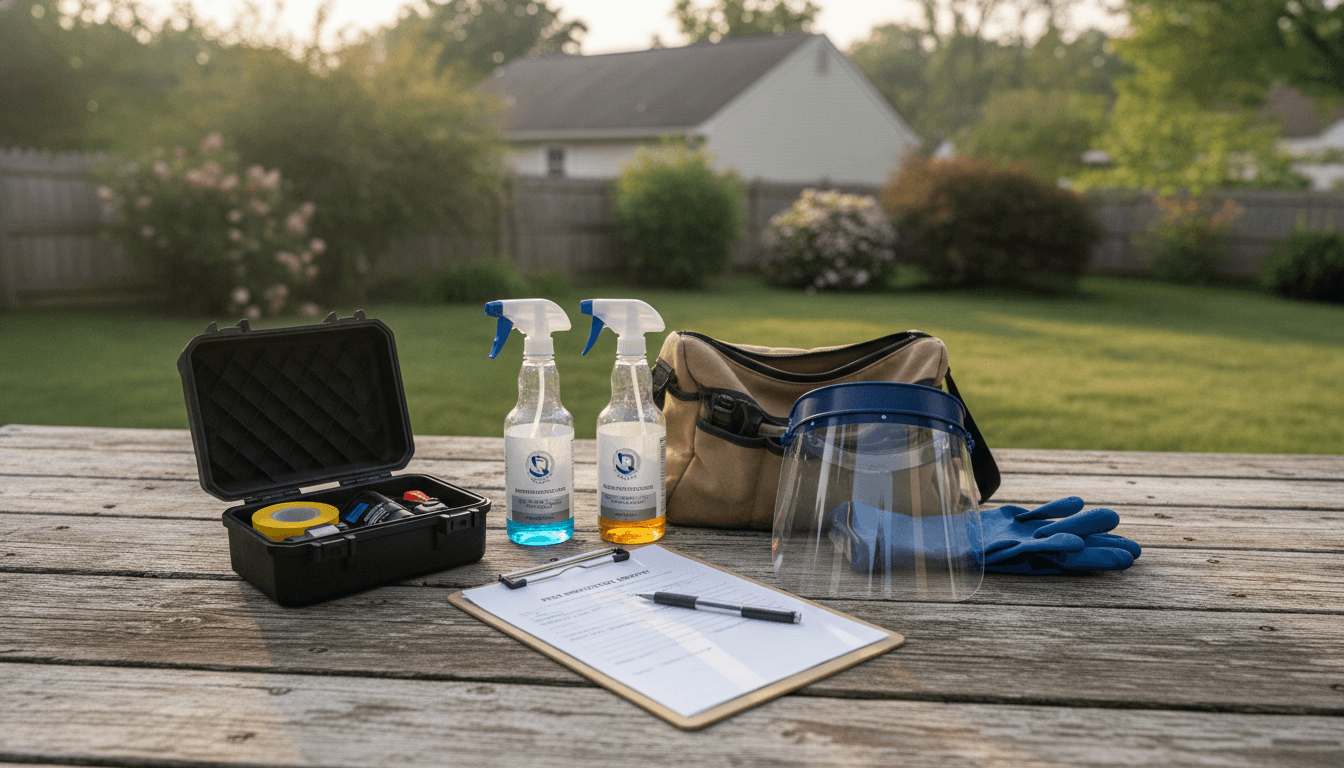
Watch what the inspector does. A thorough one checks the foundation line, the attic or crawl space, plumbing penetrations under sinks, and the garage, then explains the findings in plain language, ideally with photos. Ten minutes of glancing at baseboards followed by a clipboard contract is a sales visit, and you should treat it that way.
Good inspections also end with a written scope. You want the target pest named, the treatment method described, and the price broken out, because a vague scope is how a $250 job becomes a $700 invoice.
What a Good Guarantee Covers
A guarantee is only as strong as its written terms. On general pest plans, the standard promise in New Jersey is free retreatment if covered pests return between scheduled visits, with no extra service fee. Termite guarantees usually work as annual renewals: you pay $150 to $300 a year and the company retreats at no charge if activity returns.
Pay attention to what the guarantee excludes. Many contracts carve out wood-destroying insects, bed bugs, and wildlife from a general plan, which is reasonable, but the exclusions should be listed rather than implied. If the technician promises coverage the contract never mentions, the contract wins later, so get the promise added in writing.
Red Flags That Should End the Conversation
Scare tactics top the list. A technician who says your house is near collapse and needs a signature today, or who turns one mouse sighting into a claimed infestation of hundreds, is selling urgency because the facts alone would not close the sale.
Vague chemical answers are just as telling. Licensed applicators must provide the product name and EPA registration number for anything they apply, and you can request the label and safety data sheet. A shrug and a promise that the spray is harmless should not satisfy you.
Long contracts with steep exit fees round out the list, along with cash-only demands, unmarked trucks, and hesitation about putting the license number in writing. None of these has an innocent explanation often enough to gamble on.
Questions to Ask Before You Sign Anything
Five minutes of direct questions will separate professionals from salesmen. Ask them while the inspector is still standing in your kitchen, and listen for specifics rather than reassurance.
- What is your DEP applicator license number, and who holds it on my job?
- What did you find during the inspection, and can you show me?
- Which products will you use, and can I see the labels?
- What does the guarantee cover, and what voids it?
- If pests return between quarterly visits, is the retreatment free?
- How do I cancel, and what will it cost me?
A company worth hiring answers all six without flinching. Free retreatment between visits is standard on quarterly plans, and every guarantee term should appear in the written contract rather than in the technician's verbal assurances.
Pest Pressure Looks Different Across the State
Housing type drives the problem as much as geography does. Attached rowhomes and older multifamily buildings in Newark, Paterson, and Jersey City share walls, so mice and roaches move between units, and a treatment that ignores the rest of the structure fails by design. Companies experienced with attached housing will raise unit access and landlord coordination on their own.
Shore towns follow a moisture pattern. Around Toms River, Point Pleasant, and Long Beach Island, damp crawl spaces feed camel crickets, springtails, and earwigs, while salt air softens exterior trim that carpenter ants then hollow out. Ask shore-area companies how they handle crawl space moisture, because spraying without drying anything buys you a repeat visit.
The suburban middle of the state runs on its own calendar. In Cherry Hill, Marlton, and along the Route 1 corridor, the classic calls are carpenter ants in deck framing each spring and mice in the garage each October, while Trenton's older frame houses see termite activity in aging sill plates and porch framing. A company that works your town every week will describe these patterns before you finish explaining yours.
Frequently Asked Questions
How much does pest control cost in New Jersey?
Quarterly plans run about $40 to $75 a month, and single treatments for common pests run $150 to $400. Termite work is a separate budget, commonly $800 to $2,500 or more for a full perimeter treatment on an average New Jersey home.
How do I verify a pest control license in New Jersey?
Ask the company for its DEP applicator license number and confirm it with the state's Pesticide Control Program before any treatment. Legitimate operators print the number on contracts and service tickets, so a blank stare at the request is disqualifying.
Is a quarterly contract worth it for a New Jersey home?
Yes, when pests return on a schedule, which is common near woods, water, or in houses built before 1970. If you have had one problem in a decade, a $250 single treatment beats paying roughly $600 a year for coverage you rarely use.
Do I have to leave my house during treatment?
For standard interior treatments, most households only need to stay out of treated rooms until products dry, usually 2 to 4 hours. Whole-structure fumigation is the exception and requires vacating for 2 to 3 days, though it is rare outside severe termite or bed bug cases.
Who removes squirrels and raccoons, an exterminator or someone else?
Wildlife removal is a separate service that requires permits through New Jersey's Division of Fish and Wildlife, and many pest companies subcontract it. Expect $300 to $600 for basic squirrel exclusion, plus more when fascia or soffit repairs are involved.
What should a termite inspection cost?
Many New Jersey companies inspect for free when you own the home, while inspections tied to a sale typically run $75 to $150 for the written report. The report matters because lenders in the state often ask for it before closing on older houses.